A Local Butcher in Sarasota Starts With the Cooking Plan
A useful butcher or meat market in Sarasota should help you move from a meal idea to a sensible cut. That starts before you look at the counter. Are you cooking quickly in a pan, roasting slowly, using a grill grate, or building skewers for a group? The answer changes which qualities matter, how thick the meat should be, and how much preparation you want to do at home.
Brasa Meat Market brings a butcher counter, Brazilian grocery market, and grill together at 1955 Northgate Blvd in Sarasota. This guide explains what to look for at a quality counter; it is not a live inventory. If a particular cut will determine your visit, use the Brasa contact page or WhatsApp to ask about current availability before traveling.
Give the counter a short brief rather than only a cut name: the cooking method, the number of people, the result you want, and whether you plan to serve individual steaks or carve a larger piece. A clear request makes the conversation more useful, especially when one cut can be sold in several shapes or thicknesses.
What Makes a Quality Meat Market?
Quality is easier to judge through clear information than through a long list of impressive cut names. Look for meat that is kept in an orderly, well-maintained cold display or secure packaging, with labels and handling that make the product understandable. The counter area should feel clean and organized. If a package is damaged or the display gives you concerns, ask a direct question or choose another option.
Service matters because two pieces of beef can suit very different meals. A useful conversation should clarify the cut, approximate size or thickness, cooking method, and whether the piece is better cooked whole or portioned. The answer does not need to be a long lesson. It should give you enough context to know why the recommendation fits your plan.
- Clarity: the name of the cut and its intended use are easy to understand.
- Condition: the display or packaging looks orderly, cold, intact, and properly handled.
- Fit: the recommendation responds to your cooking method rather than defaulting to one expensive option.
- Specificity: the counter can explain how shape, thickness, grain, or fat will affect preparation.
- Honesty: current availability is confirmed instead of implied by a permanent online list.
A quality meat market also helps you avoid waste. If you are unsure about quantity, describe the rest of the menu and how the meat will be served. If you are unsure about technique, ask one focused preparation question and take notes. That is more useful than collecting several suggestions you will not remember once the grill is hot.
Fresh Cuts for Everyday Cooking and Churrasco
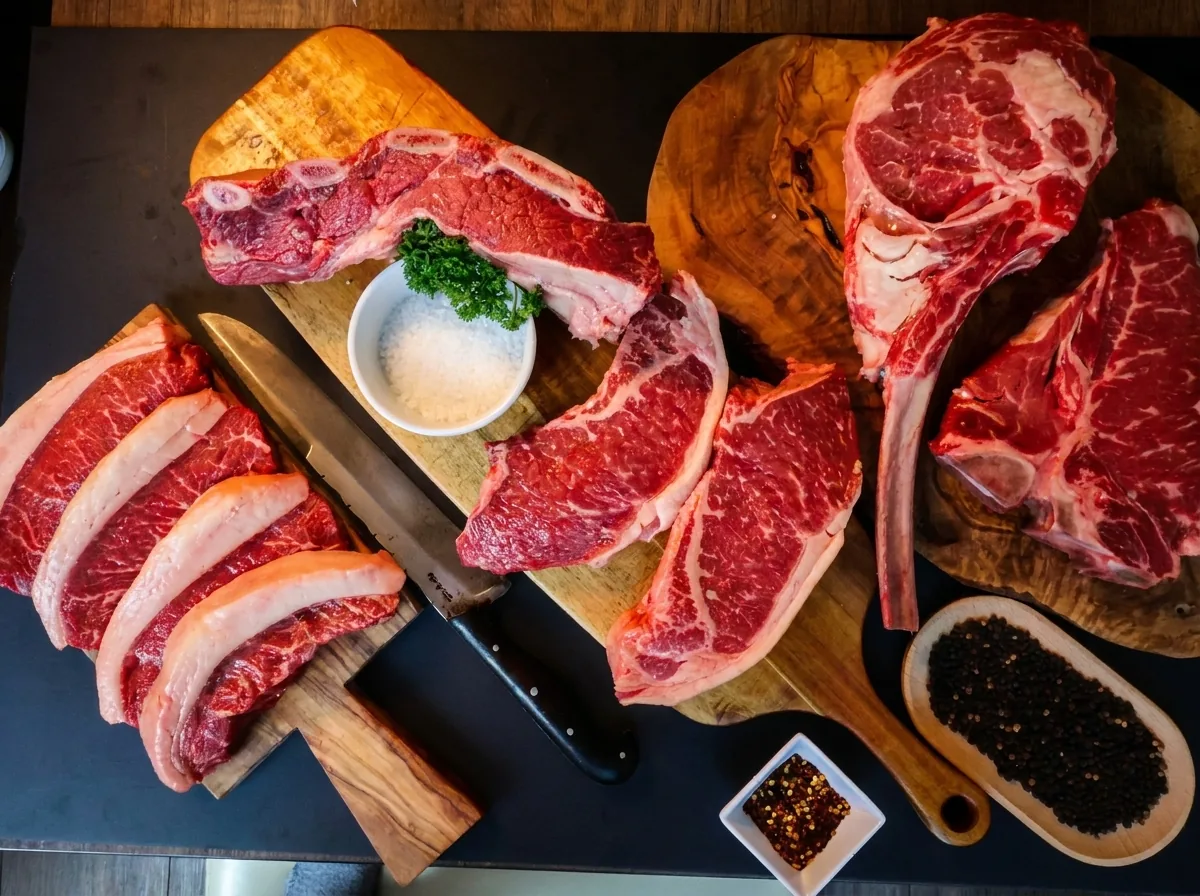
Everyday cooking often rewards versatility. Thin portions can suit a quick sear, while thicker steaks need more control over heat and timing. Larger pieces may make sense when you plan to roast and carve. Rather than treating one format as universally better, choose the format that matches your equipment, schedule, and confidence.
Churrasco brings another set of decisions. You may cook steaks directly on a grate, shape pieces for skewers, or give ribs and larger cuts more time over gentler heat. Decide whether you want a fast sequence of small servings or a larger centerpiece. Then ask the counter what current selection could support that approach. The Brasa meat department provides preparation context for several Brazilian cut names, while the team remains the source for what is available now.
Thickness is not merely visual. It affects how quickly the center cooks relative to the surface. Grain direction matters when carving because slicing across long muscle fibers generally makes each bite easier to chew. Fat can protect and flavor a cut during cooking, but the amount you prefer is a personal decision. These practical details are a better basis for choosing meat than a label such as "premium" without explanation.
Brazilian-Style Meat and BBQ Traditions
Brazilian barbecue is not defined by one cut alone. Churrasco is a way of organizing fire, meat, seasoning, carving, and shared eating. Some preparations are intentionally simple so the character of the meat remains clear. The best counter question is therefore not, "Do you have Brazilian meat?" but, "Which current cut fits the churrasco method I plan to use?"
Picanha is one recognizable example. It is the top sirloin cap and is commonly associated with a distinct fat cap that can be kept intact during cooking. Brasa's verified meat content discusses Picanha as a traditional cut, but that reference is not a promise that it is always at the counter. Contact Brasa on WhatsApp to ask about current availability, and be ready to discuss another cut if your cooking method allows flexibility.
Other Brazilian names may describe cuts or preparations differently from the labels you know. Ask for the English name, where the cut comes from, and the cooking method it suits. If churrasco is new to you, begin with a manageable plan: one primary meat, a simple seasoning approach, and a few familiar sides. Complexity does not create authenticity; attention to heat, carving, and serving does.
A Meat Market and Grocery Store in One Place
A butcher visit becomes more efficient when the rest of the meal is considered at the same time. Brasa's Brazilian market department gives shoppers a place to explore pantry, beverage, refrigerated, and frozen categories alongside the meat plan. The benefit is coordination: you can think about rice, beans, farofa, coarse salt, or a fresh accompaniment in relation to the cut rather than as an unrelated grocery list.
Treat those category examples as planning prompts, not guaranteed stock. Build the menu first, identify the ingredients you cannot substitute, and confirm those items when necessary. Shop shelf-stable groceries before refrigerated products, keep raw meat separated from ready-to-eat food during transport, and head home promptly after the cold part of the trip.
If proximity is your main concern, the companion guide on choosing a butcher near you in Sarasota turns these quality signals into a quick pre-visit checklist. This article goes deeper on the meat conversation; that guide is designed to help you decide where to go and what to confirm before leaving.
Visit Brasa Meat Market in Sarasota
A productive butcher visit is built on three pieces of information: what you are cooking, how you will cook it, and which details need confirmation today. Bring that plan to Brasa, use the meat page to learn the vocabulary, and contact the team when a particular cut or product is essential.
Brasa Meat Market is located at 1955 Northgate Blvd, Sarasota, FL 34234. The visit block below uses the confirmed phone, WhatsApp, and Google Maps links. No hours or live counter availability are assumed, so a direct inquiry is the safest next step when timing or selection matters.